
FDA-cleared NeuroStar® TMS in McLean, VA
NeuroStar® TMS therapy for depression, when medication isn't enough.
Brain Bloom offers NeuroStar® Advanced Therapy for adults and teens (15+) whose depression hasn't lifted with antidepressants. It's non-invasive, needs no anesthesia, and you can drive yourself home after every session.
- FDA-cleared for major depressive disorder
- Non-invasive and drug-free, with no sedation
- Most major insurance plans may cover TMS
- Free 30-minute in-person consultation
- Physician-led care with a psychiatrist as Medical Director

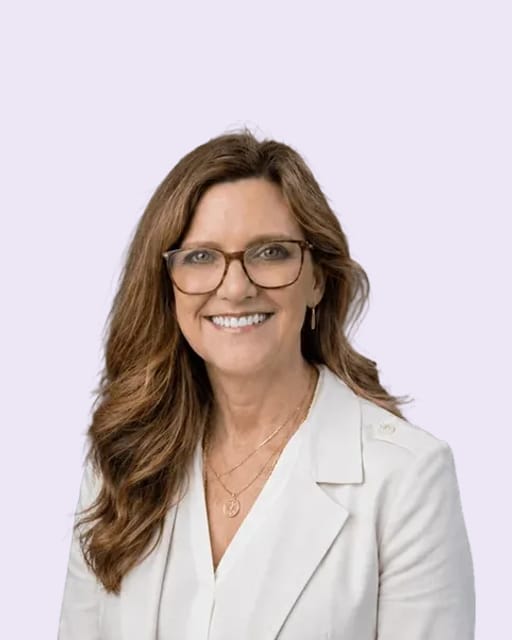

 Meet our psychiatry
& TMS team → Watch the 4-min video
Free eligibility check
See if NeuroStar® TMS could be right for you. Takes about a minute.
Watch · 4 minutes
Hear it from our Medical Director.
Dr. Ehsan Habibpour explains who TMS is for, what a session feels like, and why it can help when antidepressants haven't.
Ehsan Habibpour, MDMedical Director, Child, Adolescent & Adult Psychiatrist
Am I a candidate?
Better isn't the same as well.
TMS is often a fit for people who have given medication a real try and still don't feel like themselves. Tick what sounds like you. It takes ten seconds and nothing is sent until you choose to.
This is not a diagnosis. A provider confirms whether TMS is right for you during your free consultation.
Tick anything that sounds like you.
Official providerFDA-cleared for depression
What is NeuroStar® TMS?
Focused magnetic pulses, not another pill.
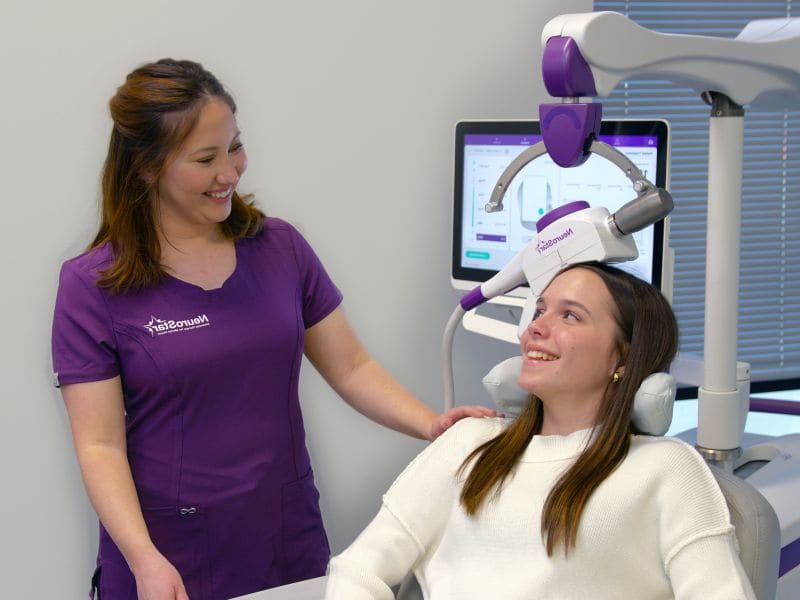
Transcranial magnetic stimulation (TMS) uses a small curved coil, placed lightly on your head, to deliver magnetic pulses to the area of the brain that helps regulate mood. You're awake, seated in a comfortable chair, and free to go about your day afterwards.
-
01
Targeted pulses
Pulses are aimed at the prefrontal cortex, an area linked to mood that is often underactive in depression.
-
02
Neurons activated
Repeated sessions stimulate those nerve cells and help restore more typical activity in mood circuits.
-
03
Lasting relief
Over a full course, many patients feel their mood, energy, and focus return.
- FDA-cleared
- No anesthesia or sedation
- Non-habit-forming
- No time off needed
The research
Real-world results with NeuroStar®.
Outcomes reported in published NeuroStar® studies. Individual results vary, and your provider will talk through what to expect for you.
- of patients responded to treatment1
- 83%
- reached remission1
- 62%
- durable benefit for most responders over a year of follow-up2
- 12mo
- typical course, about 5 sessions a week
- 4–6wk
1. Sackeim HA, et al. J Affect Disord. 2020;277:65-74. Clinician-rated (CGI-S) outcomes from the NeuroStar® outcomes registry. 2. Dunner DL, et al. J Clin Psychiatry. 2014;75(12):1394-1401. Results may vary.
Who we treat
TMS for adults and teens, planned around you.
NeuroStar® is FDA-cleared for these conditions. Tap one and we'll add it to your eligibility check.

Most common
Depression that hasn't lifted
You've tried antidepressants and still don't feel like yourself. NeuroStar® is FDA-cleared for adults with major depression who didn't improve enough on medication.
Ask about this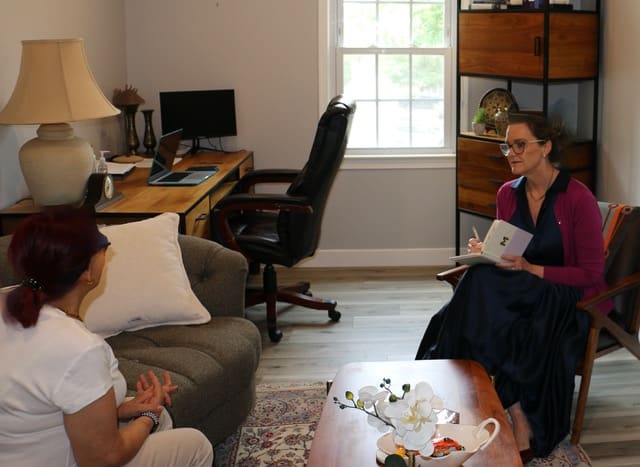
Anxious depression
Cleared to reduce the anxiety symptoms that often come with depression.
Ask about this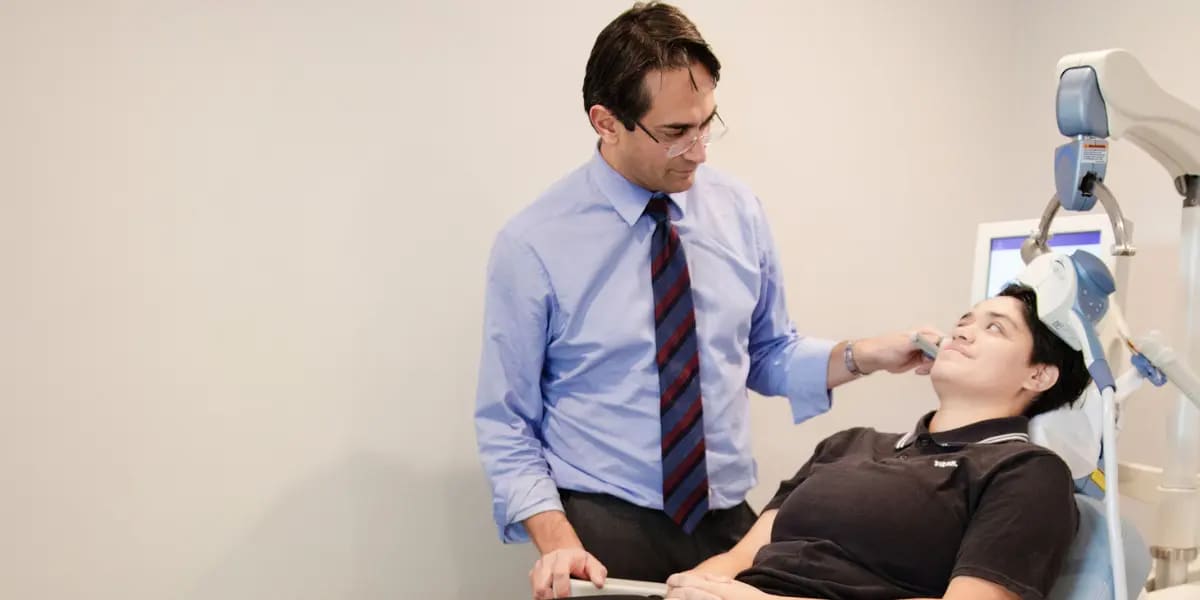
OCD
An add-on treatment for adults with OCD.
Ask about this15–21
Teens & young adults
Cleared as an add-on treatment for adolescent depression.
Ask about this
Older adults
A non-drug option when adding medication isn't ideal.
Ask about this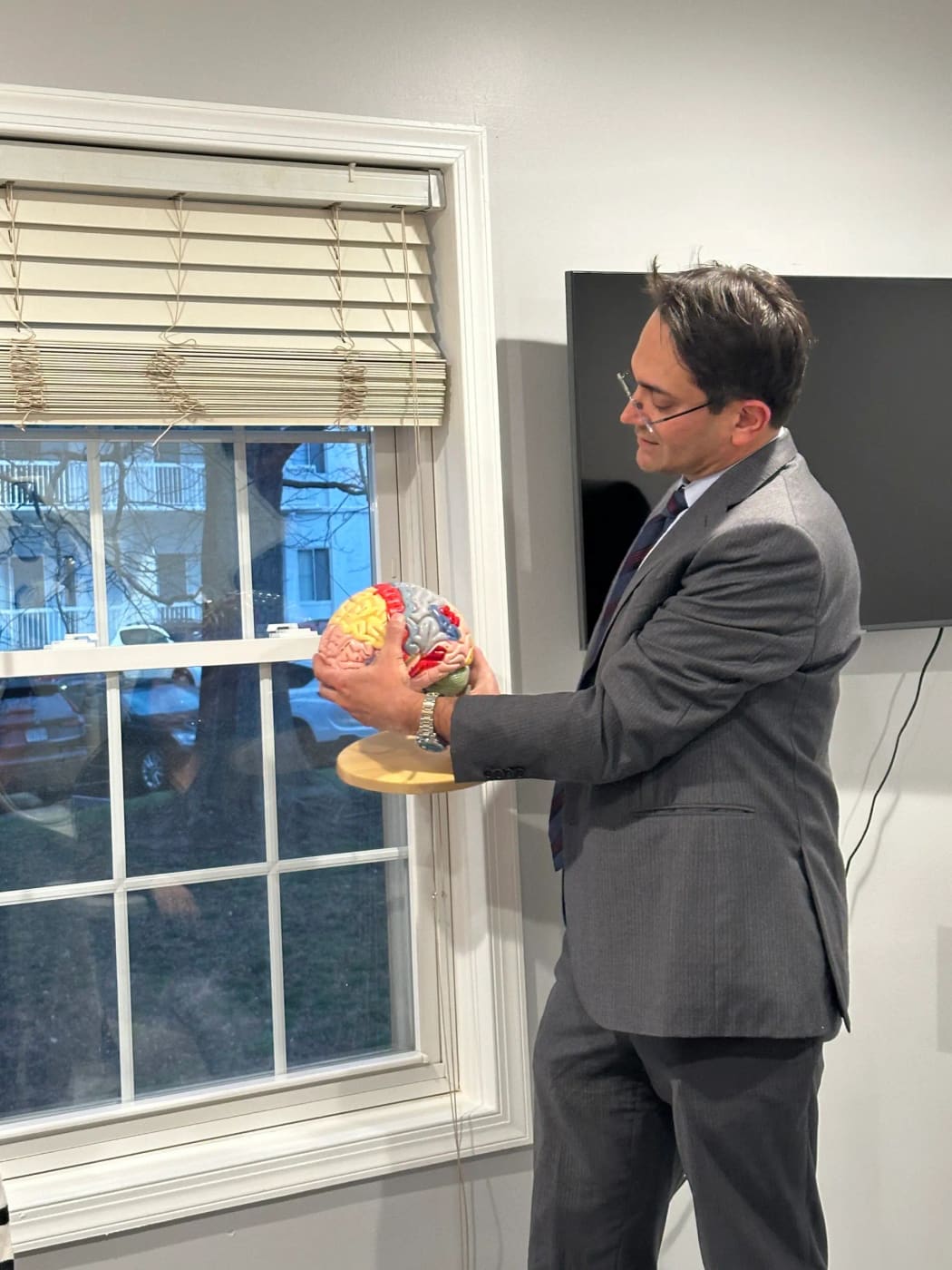
Medication management
Psychiatric care alongside TMS, or on its own.
Ask about thisHow it works
From first call to first session.
We handle the insurance paperwork. Treatment can start within a few days of your assessment and insurance authorization.
-
1
Free consultation
A 30-minute, one-on-one visit in our office about your history, past treatments, and goals.
-
2
Insurance approval
We verify your benefits and file the prior authorization, then explain your costs up front.
-
3
Your first session
We find your treatment spot and dose, then you start. No anesthesia, no recovery time.
-
4
Daily sessions
About 5 sessions a week for 4 to 6 weeks, roughly 20 to 40 minutes each. Many people notice improvement within that window.
Short on time? Ask about accelerated TMS.
FAQ
Questions people ask about TMS.
Something else on your mind? Call (703) 239-4888 and ask.
Check EligibilityIs NeuroStar® TMS safe?
Does it hurt?
How long does treatment take?
How soon can I start?
Do I have to stop my medication?
Will my insurance cover TMS?
Can teenagers have TMS?
Can I drive and go back to work afterwards?
Your first conversation is free.
A 30-minute consultation in our McLean office, with no obligation. We'll tell you honestly whether NeuroStar® TMS fits your situation.